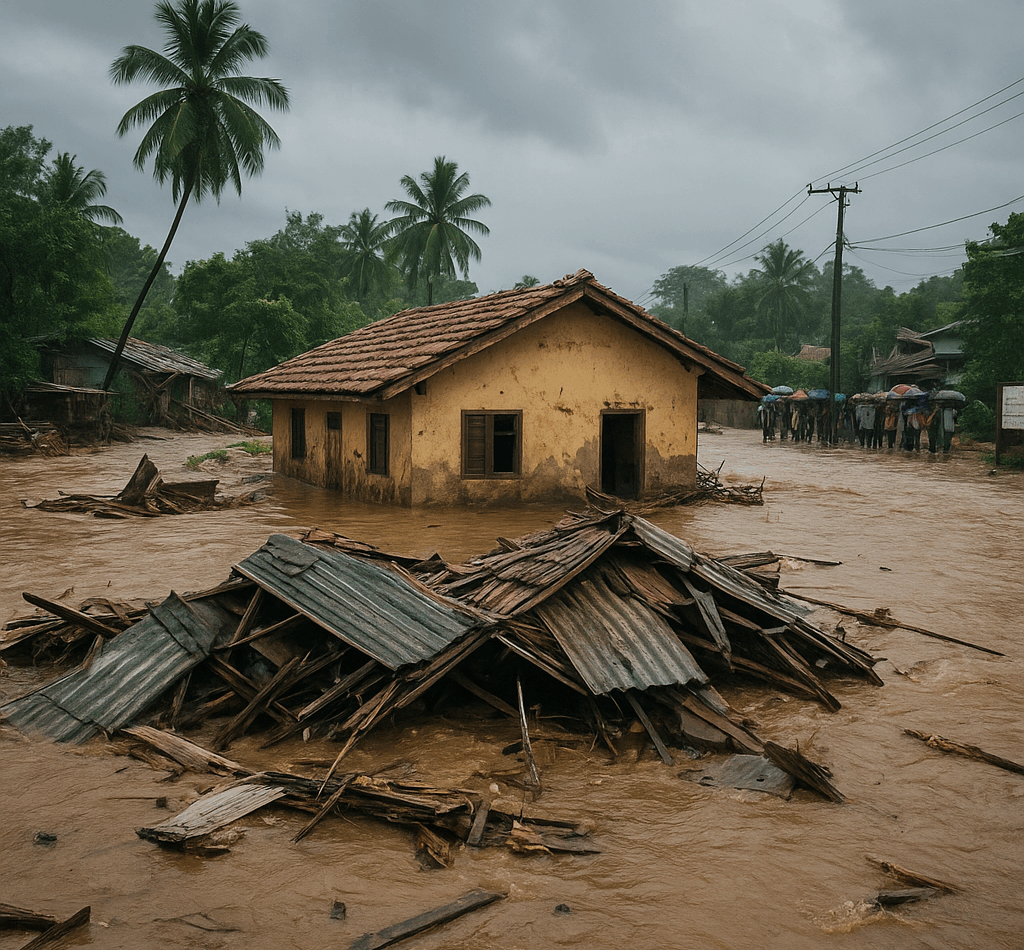
Sri Lanka is once again grappling with the painful aftermath of severe weather, as the recent cyclone and days of relentless rain brought widespread flooding, landslides, and heartbreaking loss. What began as heavy showers quickly escalated into a national disaster—claiming lives, displacing families, and destroying homes, livelihoods, and critical public infrastructure.
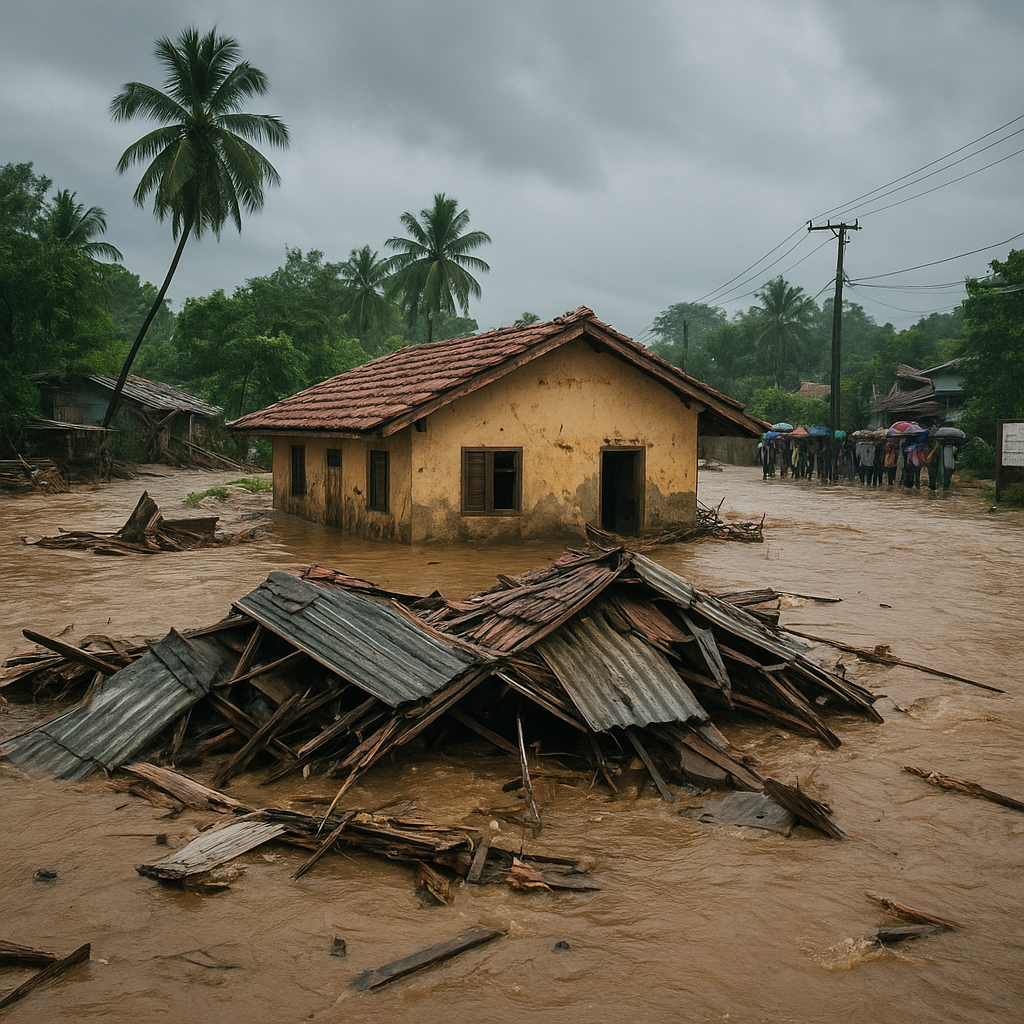
The human toll has been immense. Entire communities have been uprooted overnight, with hundreds of families now in temporary shelters. Many have lost loved ones, and many more are searching for those still missing. The emotional weight of this tragedy cannot be expressed in words.
Beyond the immediate disaster, what is more concerning is the neglect of vital early information that could have helped communities and authorities prepare better. International meteorological agencies had issued clear warnings well in advance:
AccuWeather – November 10: “Sri Lanka to face severe monsoon disturbances next week.”
BBC Weather – November 12: “Potential flooding and landslides expected across Sri Lanka.”
Al Jazeera Weather – November 14: “Heavy rainfall system moving towards Sri Lanka.”
In addition to international alerts, local authorities—including the Director General of the Meteorology Department—had also raised similar concerns during a televised discussion, urging the public and responsible institutions to stay vigilant. Unfortunately, these warnings did not receive the level of attention or action they desperately required.
Property damage across the island has been overwhelming. Homes, farmlands, public buildings, and critical infrastructure have been destroyed or severely affected. Roads and bridges remain inaccessible, making rescue and relief efforts challenging. Farmers, business owners, and daily-wage earners are among the hardest hit.
Despite the devastation, Sri Lanka’s resilience continues to shine. Rescue teams, military personnel, government agencies, nonprofits, and community volunteers have mobilized tirelessly to provide relief. The unity and compassion shown during these difficult days reflect the true spirit of our nation.
As we move toward recovery, this tragedy must serve as a critical reminder of the need for stronger disaster preparedness, effective communication, and swift institutional response. Climate-related disasters are becoming more frequent, and early warnings must translate into meaningful action.
Sri Lanka has endured a deep tragedy, but together we will rebuild—stronger, safer, and more aware. Let this be the turning point where we prioritise preparedness, resilience, and collective responsibility for the future.
#Ditwah