
Navigating Sri Lanka's Digital VAT: Growth Barriers and Pathways Forward
By Niroshana De Silva, Author/Admin
Key Development
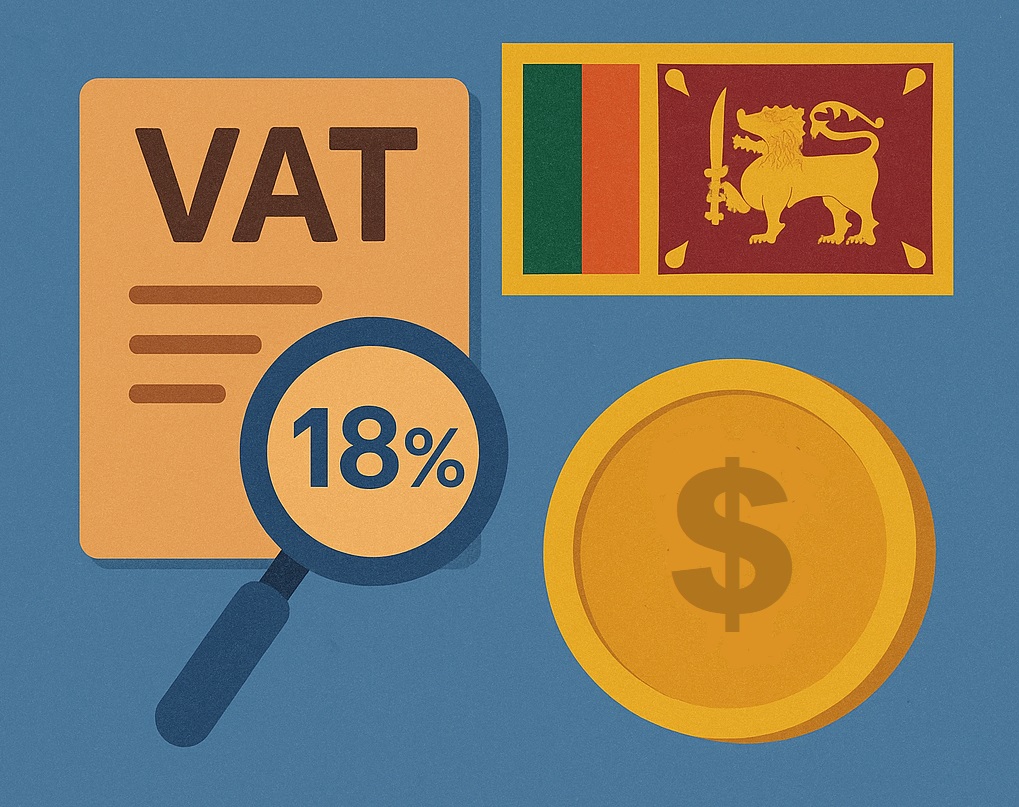
Effective October 1, 2025, Sri Lanka’s Inland Revenue Department (IRD) will impose an 18% VAT on all digital services provided by non-resident companies under the Value Added Tax (Amendment) Act, No. 04 of 2025. This policy affects major platforms including Netflix, AWS, PayPal, and ChatGPT, aligning Sri Lanka with over 120 countries that tax digital services while introducing significant economic trade-offs.
1. Policy Mechanics: Scope and Implementation
Services Covered
The new VAT applies broadly across digital service categories:
- Cloud computing and Software-as-a-Service platforms (Google Workspace, Microsoft 365)
- Streaming services, social media platforms, and e-commerce marketplaces
- Financial technology services (PayPal, Stripe), APIs, and AI tools (ChatGPT, cloud-based ML services)
- Blockchain platforms and NFT marketplaces
Registration Requirements
Foreign service providers must register with Sri Lankan tax authorities if their annual revenue exceeds LKR 60 million (approximately $195,000) or quarterly revenue surpasses LKR 15 million (approximately $49,000).
Enforcement Mechanisms
Non-compliant providers face potential blocking or blacklisting within Sri Lanka, though enforcement presents jurisdictional challenges for entities without physical presence in the country. For business-to-business transactions, reverse-charge mechanisms may apply, but input VAT claims remain inactive pending legal framework updates.
2. The Innovation Barrier: Impact on Startups and Developers
The 18% surcharge directly affects the entrepreneurial ecosystem by increasing costs for essential digital tools:
- A freelance developer using ChatGPT Plus ($20/month) now pays $23.60 monthly
- Startups relying on AWS or Adobe Creative Cloud face 18% higher operational costs
- A Colombo-based AI startup using cloud GPUs for model training could see annual costs increase by approximately LKR 500,000, potentially delaying product launches or hiring plans
“This added expense makes advanced tools less accessible for homegrown startups, potentially stifling innovation and reducing the likelihood of young tech pioneers entering the market.”
3. International Comparisons: Learning from Global Approaches
| Country | Digital Tax Rate | Key Features |
|---|---|---|
| Philippines | 12% (June 2025) | Exempts B2B transactions via reverse charge mechanism |
| South Africa | 0% (B2B only) | Exempts foreign B2B services if clients are VAT-registered |
| India | 18% | No business exemptions; high compliance burden |
Sri Lanka’s Policy Gap: Unlike South Africa, Sri Lanka lacks B2B exemptions, taxing productivity tools (cloud services, SaaS) equally with consumer entertainment (Netflix). This approach overlooks how business-critical services fuel digital economy growth.
4. Socioeconomic Implications: Widening Digital Divides
Access Disparities
Urban professionals may absorb cost increases more easily than rural freelancers, who face eroded profit margins. Research indicates that digital tools primarily benefit high-income groups who leverage them for non-agricultural work and skills development.
Human Capital Development
Online learning platforms (Coursera, Udemy) now cost 18% more, disadvantaging self-taught developers and professionals outside major tech hubs. This pricing barrier may limit access to continuous learning and skill development opportunities.
Startup Ecosystem Impact
Early-stage ventures operating on thin margins may delay technology upgrades, reduce research and development activities, or reconsider market entry strategies.
5. Policy Recommendations: Balancing Revenue and Growth
To prevent stifling innovation while achieving tax policy objectives, policymakers should consider:
Targeted Exemptions
- Follow South Africa’s model by exempting B2B digital services (cloud computing, SaaS, APIs) while maintaining taxes on B2C services (streaming, gaming)
- Expedite input VAT claims processing for registered startups and small businesses
Graduated Thresholds
- Raise revenue thresholds for smaller foreign providers, particularly independent SaaS tools, to reduce compliance friction
Local Ecosystem Development
- Provide subsidies or incentives for homegrown cloud and SaaS platforms to reduce dependency on taxed imports
Digital Inclusion Initiatives
- Launch comprehensive digital literacy programs targeting rural youth and women-led startups
6. Strategic Implications: Sri Lanka’s Digital Crossroads
While the digital VAT aims to create tax equity and generate revenue—both laudable objectives—its broad application risks several unintended consequences:
- Potential brain drain as talent seeks markets with lower innovation costs
- Consolidation of competitive advantages among established players over emerging startups
- Widening inequality between those who can afford digital tools and those priced out of the market
“Taxing Netflix represents logical policy; taxing the tools that build Sri Lanka’s next technology unicorn does not.”
Conclusion: Calibrated Implementation for Sustainable Growth
Sri Lanka’s digital VAT reflects necessary fiscal modernization in an increasingly digital global economy. However, without surgical exemptions for business-critical services, the policy may inadvertently undermine the very ecosystem driving economic transformation and innovation.
By refining the policy framework to protect innovation tools while maintaining revenue objectives, Sri Lanka can achieve tax fairness and empower its next generation of technology pioneers. The choice is clear: foster homegrown innovation or risk taxing it into obscurity.
This policy juncture presents an opportunity to demonstrate that emerging economies can implement sophisticated tax policies that support both fiscal responsibility and innovation-driven growth. The decisions made in the coming months will significantly influence Sri Lanka’s position in the global digital economy.