Multiple Fiber Optic Cables Damaged In Red Sea: Here’s What We Know
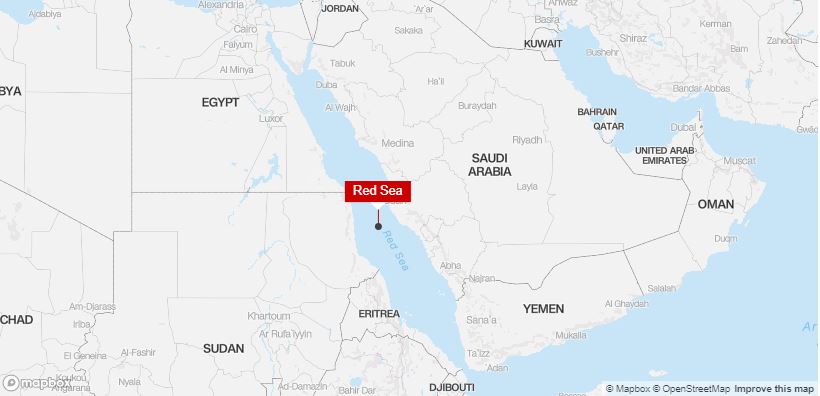
The severed communications cables reportedly ran under the Red Sea from Saudi Arabia to Djibouti
At least four undersea fiber optic cables, which carry approximately 97% of all Internet traffic, were damaged last week in the Red Sea, telecommunications providers are reporting, and instability in Yemen threatens to prevent operators from fixing them immediately.
KEY FACTS
HGC Communications, a telecom operator in Hong Kong, reported the four cables that were “cut” in the Red Sea: SEACOM, TGN, Africa Asia Europe-One and the Europe India Gateway.
HGC said that the damage has impacted an estimated 25% of their internet traffic, which is now being rerouted through mainland China and east through the United States.
SEACOM, an African provider based in Mauritius, confirmed to the Wall Street Journal that their cable in the Red Sea was damaged, and that repairs would have to wait until at least the second quarter of 2024 due to ongoing instability in the region.
The Europe India Gateway cable was built by a consortium of investors, including American telecom giants AT&T and Verizon, but as of Monday neither company confirmed if service has been affected.
Tata Communications, the Indian telecom firm who operates the TGN cable, confirmed to the Associated Press that their cable was damaged near Yemen, and some service was down or rerouted (the company did not return a request for comment from Forbes).
SEACOM, AT&T, and Verizon have not returned requests for comment from Forbes, and the U.S. State Department and other government bodies have not commented on the incident.
HOW IMPORTANT ARE FIBER OPTIC CABLES TO INTERNET ACCESS?
A study published by the Department of Homeland Security in 2017 estimated that 97% of all intercontinental electronic communications took place using undersea fiber optic cables, which are routed beneath the world’s oceans. The same study offered a clear example of how vital the cables are in the Middle East. After three divers attempted to intentionally cut an undersea cable near Alexandria in 2013, Internet speeds in Egypt fell by about 60%.
KEY BACKGROUND
Reports on the possible damage to cables in the Red Sea began circulating last week. At least one Israeli media outlet blamed the damage on the Houthis, who have been targeting cargo ships in the waterway in an effort to support Hamas in the ongoing war in Gaza. The Houthis have vehemently denied the allegations. In a press release posted last Tuesday, the Houthi-controlled government said it was “keen to keep all telecom submarine cables and its relevant service away from any possible risks,” and also promised to provide facilities for the cables to be “repaired and maintained.”
WHAT TO WATCH FOR
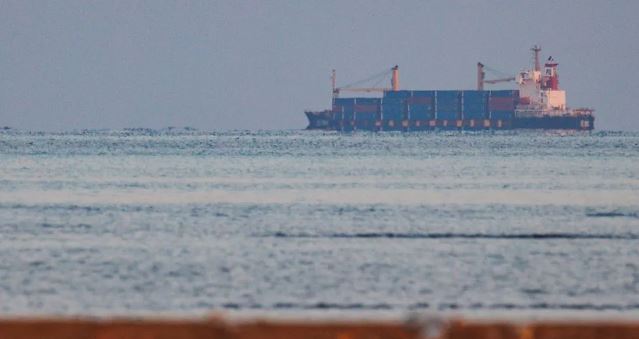
Other observers have noted that the cables could have been damaged by the recent sinking of the British cargo ship Rubymar, which was targeted by Houthi forces on February 18 and abandoned by its crew. The ship was left drifting in the Red Sea for days, dragging its anchor on the seafloor, where it could have potentially cut one or multiple cables. A spokesperson for SEACOM told the Wall Street Journal that it was “plausible” their cable was damaged by the Rubymar, which has since sunk, but the company has not yet confirmed this. The International Cable Protection Committee, an NGO based in the U.K., said that an average of 150 incidents occur each year that damage undersea cables—and most of these are caused by activities such as commercial fishing and anchoring.
Red sea undersea fibre optic cable damage
Crucial Red Sea data cables cut, telecoms firm says
Several undersea communications cables in the Red Sea have been cut, affecting 25% of data traffic flowing between Asia and Europe, a telecoms company and a US official say.
Hong Kong-based HGC Global Communications said it had taken measures to reroute traffic after four of the 15 cables were recently severed.
The cause is not yet clear.
The US official said it was trying to find out whether the cables were cut deliberately or snagged by an anchor.
Last month, Yemen’s internationally-recognised government warned that the Iran-backed Houthi movement might sabotage the undersea cables in addition to attacking ships in the sea.
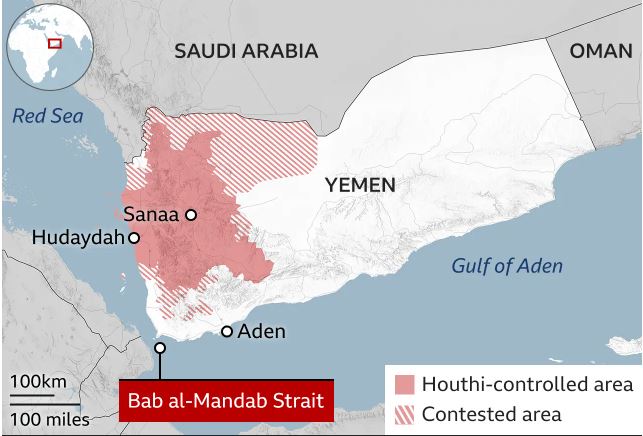
The Houthis – who control much of western Yemen’s Red Sea coast – denied last week that they had targeted cables and blamed US and British military strikes for any damage to them.
US and British forces have targeted Houthi weapons and infrastructure in response to the drone and missile attacks on merchant vessels passing through the Red Sea and the Gulf of Aden.
The Houthis say their attacks are a show of support for the Palestinians in the war between Israel and Hamas in the Gaza Strip.
An estimated 25% of traffic was affected, it added, noting that some 80% of the west-bound traffic from Asia passed through the cables.
HGC said it had taken measures to mitigate any disruptions for its clients by rerouting data to Europe through cables in mainland China and under the Pacific Ocean to the US, as well as using the remaining cables in the Red Sea.
A Pentagon official confirmed to CBS News, the BBC’s US partner, that undersea telecommunications cables in the Red Sea had been cut.
The official said the US was still trying to determine whether they were deliberately severed or snagged by a ship’s anchor.
Red sea undersea fibre optic cable damage - map
Last week, Israeli business website Globes reported that the same four cables running between the Saudi city of Jeddah and Djibouti had been damaged and pointed the blame at the Houthis, without providing any evidence. Sky News Arabia, which is based in the United Arab Emirates, cited unnamed sources as accusing the Houthis of “blowing up” the cables”.
The Houthis’ telecommunications ministry denied those reports.
The ministry said it wanted to reaffirm remarks in a recent speech by Houthi leader Abdul Malik al-Houthi, who said the group did not want to put any communications cables at risk.
The decision to “prevent the passage of Israeli ships” through the Red Sea did “not apply to ships belonging to international companies licensed to carry out marine work on cables in Yemeni waters”, it added.
On Monday, Telecommunications Minister Misfer al-Numair said his ministry was “ready to assist requests for permits and identify ships with the Yemeni Navy”, referring to the Houthis’ naval forces.
Meanwhile, the US military’s Central Command said the Houthis had fired two anti-ship ballistic missiles at a Liberian-flagged, Swiss-owned container ship, MSC Sky II, in the Gulf of Aden. One of the missiles hit the vessel, causing damage but no injuries, it added.
Houthi military spokesman Yahya Sarea claimed that the ship was Israeli and that it would “continue to prevent Israeli navigation or those heading to the ports of occupied Palestine”.