
Is Sri Lanka Ready for a Cashless Future?

Is Sri Lanka Ready for a Cashless Future?
In a world rapidly embracing digital payments, Sri Lanka finds itself at a pivotal juncture. The future is cashless, with seamless, digital transactions becoming the norm in economies across the globe. As e-commerce and digital wallets rise, financial ecosystems are transforming, propelled by innovative fintech solutions. But is Sri Lanka ready to fully transition into this new era?
A Growing but Uneven Digital Landscape
The year 2022 marked a significant shift in Sri Lanka’s payment landscape. Credit and debit card usage surged, with transactions increasing by 42.1% and 67.4% respectively. In contrast, cheque transactions saw a decline. Mobile banking apps, such as eZ Cash by Dialog Axiata and mCash by SLT Mobitel, have gained traction, offering convenience and security that traditional methods lack. E-commerce, though primarily centered in Colombo, is also expanding, with online retail valued at $85-90 million in 2020.
Yet, despite these promising developments, the widespread adoption of digital payment solutions remains a challenge. Small-scale retailers and businesses, particularly outside of Colombo, have been slow to embrace this change. The question remains: can Sri Lanka’s business sector fully adapt to a cashless economy?
The Rise of Fintech: A Catalyst for Change
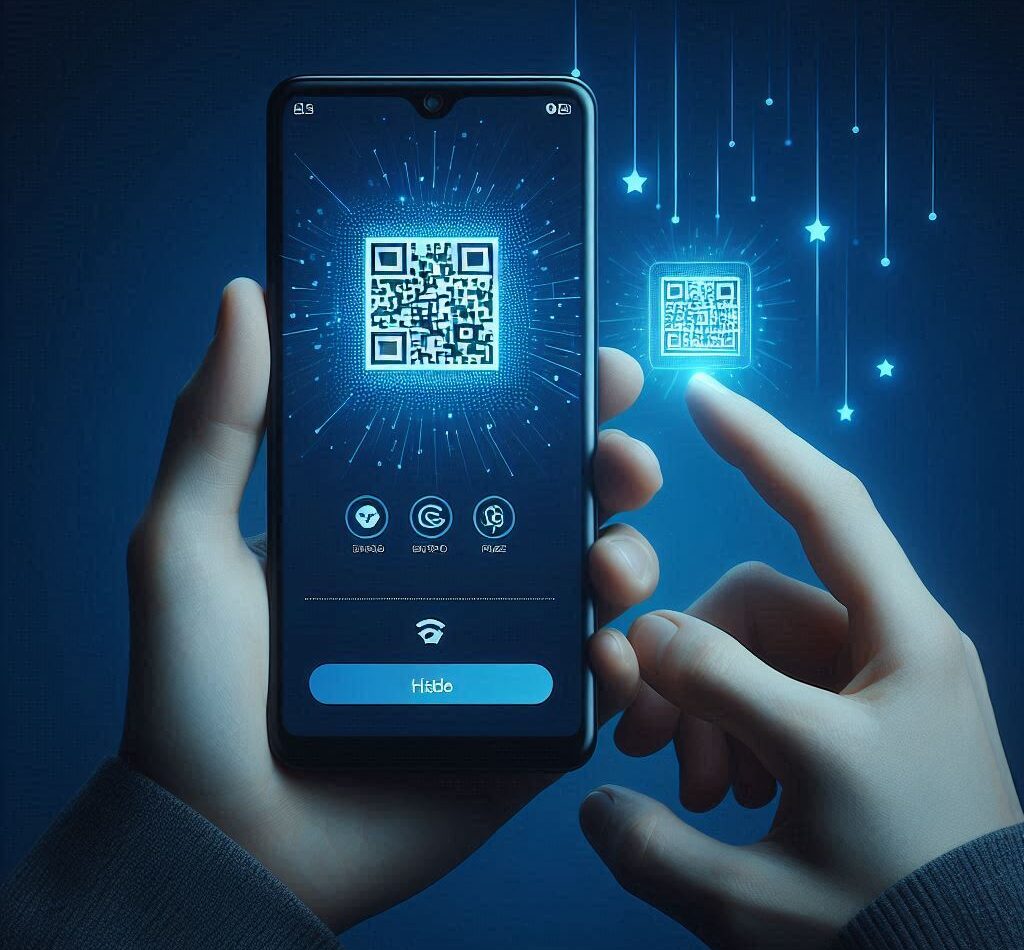
Fintech is at the forefront of Sri Lanka’s digital transformation, particularly in the retail sector. According to industry experts, traditional businesses, including Micro, Small, and Medium Enterprises (MSMEs), are increasingly adopting digital solutions. This shift is driven by the growing use of card payments and digital wallets, with QR-based transactions becoming common, even among street vendors.
But the digital revolution goes beyond payment methods. It encompasses comprehensive solutions like digital lending facilities, working capital management, and cash management systems. The rise of fintech is not just about convenience; it’s about creating a future where every transaction is efficient, secure, and seamless. Promotional activities by banks and fintech institutions have accelerated this shift, making digital financial services more accessible and attractive across the board.
Barriers to Adoption: Bridging the Gap
However, the road to a cashless future is not without obstacles. Small businesses, particularly those in rural areas, are hesitant to adopt fintech solutions due to perceived risks, limited resources, and unfamiliarity with new technologies. Concerns about costs, data security, and the complexity of these solutions contribute to this reluctance.
Infrastructure is another significant barrier. Sri Lanka’s digital infrastructure is still developing, and connectivity issues, the cost of electronic devices, and a general lack of trust in new technologies are deterrents. Additionally, the transaction fees associated with digital payment solutions can be prohibitive for small businesses, especially those operating on thin margins. A lack of financial literacy also poses a challenge, leading to further hesitation among potential adopters.
Educating for the Future: Building a Fintech Ecosystem
To overcome these challenges, education and motivation are key. The FinTech Association of Sri Lanka (FASL) is working to advance the fintech ecosystem through active engagement in regional events and initiatives. Efforts are underway to improve fintech infrastructure, with platforms like DirectPay, PayHere, Genie, and mCash expanding their reach.
Yet, the inability to receive payments from global platforms like PayPal remains a significant barrier, particularly for retailers with international clients. The FASL is working to bridge this gap by fostering partnerships between fintech founders, investors, and international collaborators. Moreover, introducing fintech education at the school level, alongside Artificial Intelligence (AI), is being considered to prepare the next generation for a digital future.
Room for Improvement: Accelerating Adoption
Despite these efforts, there is still room for improvement. The Federation of Information Technology Industry Sri Lanka (FITIS) highlights that while modern retail has seen higher adoption of fintech solutions, cash remains prevalent in many areas. Enhancing facilities like QR codes, even in the smallest corner shops, would facilitate a smoother transition to a cashless economy.
For Small and Medium-sized Enterprises (SMEs), digital transactions offer a clearer view of business models and cash flow, making it easier to secure financing from banks. For consumers, digital payments mean greater convenience. On a broader scale, mandating digital payment methods in government transactions could reduce delays and corruption, thanks to built-in audit trails.
A Strategic Focus: The National Digital Economy
Sri Lanka’s journey towards a cashless economy is a key aspect of its National Digital Economy Strategy. State Minister of Technology Kanaka Herath emphasized the importance of fintech as one of the six pillars of this strategy. The government is promoting QR codes and online payments, starting with grassroots-level promotions in rural areas and expanding to larger districts like Jaffna and Colombo.
The strategy also focuses on the tourism sector, particularly targeting Indian and Chinese tourists, who are familiar with QR-based payment systems. Additionally, an online payment system for government services is being introduced to improve public access.
Embracing the Cashless Revolution
Sri Lanka is on the cusp of a cashless revolution. The rise of fintech offers unprecedented opportunities for efficiency, security, and convenience in financial transactions. However, the journey towards a fully digital economy requires overcoming significant barriers, particularly in educating and equipping small-scale businesses to embrace these new technologies. With strategic focus and collaboration among stakeholders, Sri Lanka can bridge the gap and position itself as a leader in the digital age. The future is cashless, and Sri Lanka is poised to take the leap.