
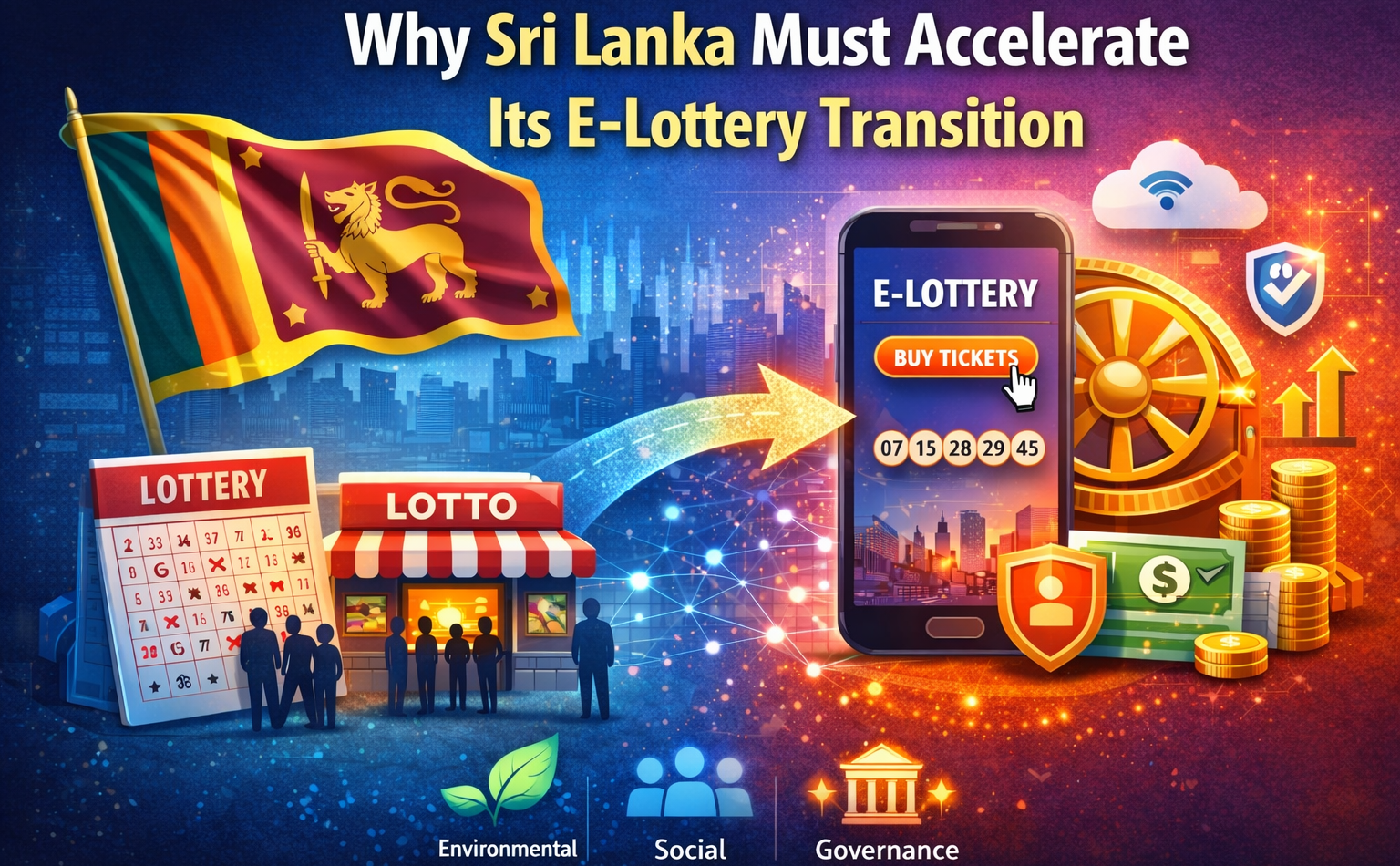
Why Sri Lanka Must Accelerate Its E-Lottery Transition
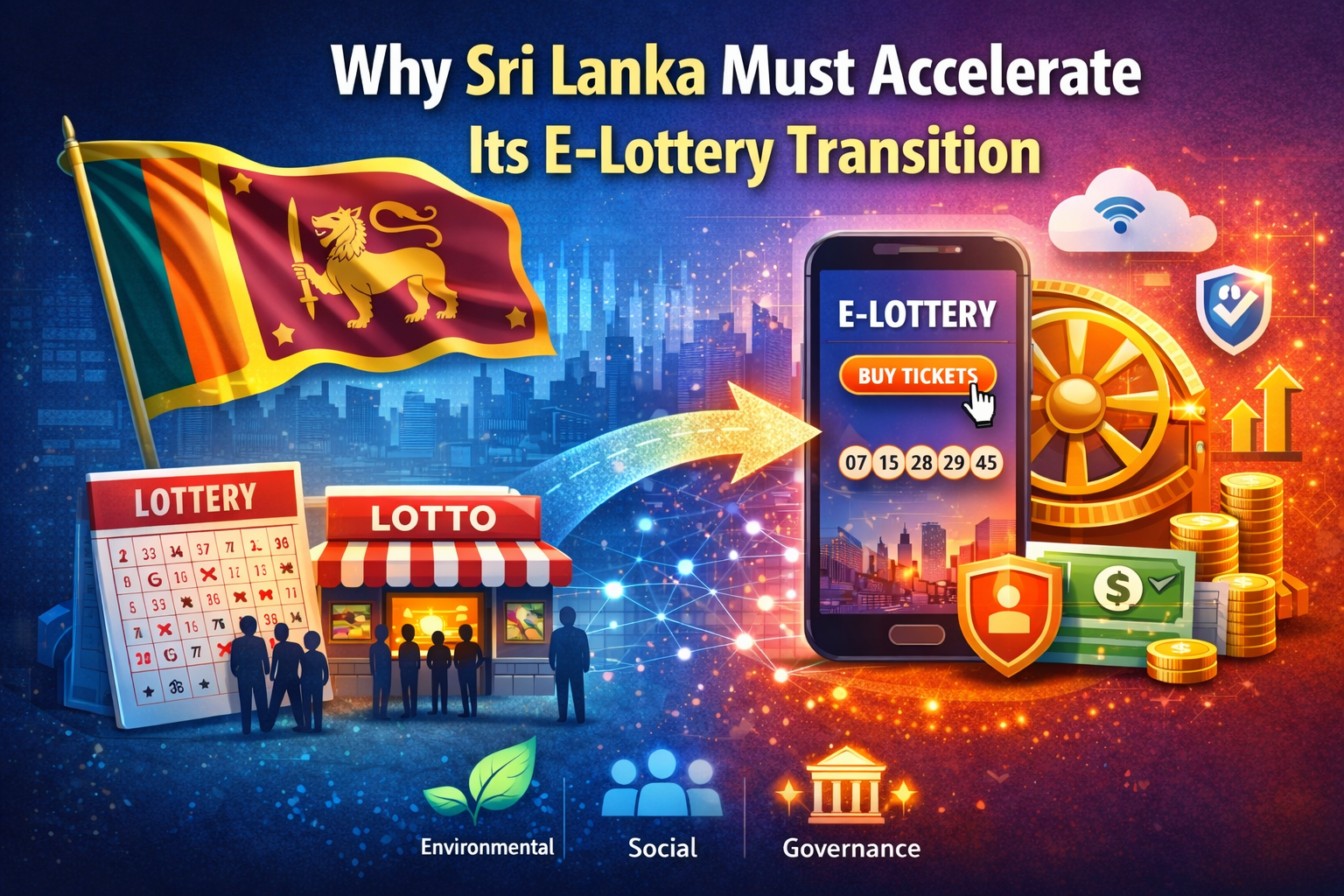
Why Sri Lanka Must Accelerate Its E-Lottery Transition
Around the world, government lottery systems are rapidly evolving from paper-based, retail-heavy models into secure, digitally enabled public platforms. This shift is not merely technological, it is about strengthening revenue assurance, transparency and long-term sustainability. Sri Lanka is now at a similar turning point. While the existing lottery framework has served the country well, growing digital adoption, rising governance expectations and changing consumer behavior make modernization increasingly urgent.
A carefully governed online lottery ecosystem can give authorities real-time visibility into sales and revenue flows, reduce manual reconciliation risks and embed stronger audit trails. International and regional experience shows that when implemented thoughtfully, digital platforms expand participation and improve operational control without dismantling traditional retail networks. In fact, an omnichannel model can empower agents through assisted digital sales, better commission transparency and wider market reach.
As a regional success story, India’s Meghalaya State has set a regional benchmark in lottery modernization through its Easy Lottery platform, replacing legacy processes with a fully centralized, traceable digital system covering the entire ticket lifecycle. The initiative demonstrates how strong digital architecture and regulatory safeguards can significantly improve efficiency, transparency and revenue governance in modern state lotteries.
From an ESG perspective, the case is equally compelling. Digitization reduces paper waste and physical logistics, supports responsible-play safeguards and significantly enhances governance through traceable, auditable transactions. Economically, it strengthens public revenue protection, improves treasury forecasting and stimulates local digital capability in areas such as cybersecurity, analytics and platform operations.
However, global and regional lessons are clear: success depends on governance leading technology. Strong statutory clarity, cybersecurity discipline, prize-reserve safeguards and independent oversight must anchor any rollout. The objective is not rushed disruption, but timely, well-structured transformation that balances innovation with institutional stability.
For Sri Lanka, the opportunity extends beyond modernizing a single sector. A well-executed e-lottery platform can serve as a practical, high-impact step in the country’s broader digital economy journey. The path forward lies in decisive but measured action preserving the strengths of the current ecosystem while preparing it for a more transparent, inclusive and digital future.
By Author, Admin, Niroshana De Silva. You can reach him at prminds@gmail.com
NOTABLE REGIONAL EXAMPLE - INDIA
Easy Lottery Marks a New Era of Government Lottery Modernisation in India’s Meghalaya State

The Government of Meghalaya, India, has taken a decisive step toward modernising its public lottery operations with the official launch of the EasyLottery.in digital platform. Inaugurated by the Hon. Chief Minister Conrad Sangma, the initiative represents a structural transformation of the state’s lottery ecosystem, shifting from traditional mechanisms to a fully digitised, transparent and secure operational model.
Speaking at the launch, Chief Minister Sangma underscored that the platform is not merely a technological enhancement but a governance reform measure. He reaffirmed the government’s commitment to ensuring fairness, accountability and operational transparency within the lottery system, emphasising that the digital platform simplifies citizen participation while strengthening regulatory oversight.
Historically, lottery systems have relied heavily on paper-based processes, manual validation and fragmented reporting structures. The Easy Lottery deployment in Meghalaya replaces these legacy elements with a centralised digital architecture that manages the complete lifecycle of a ticket — from issuance and purchase to validation and prize disbursement. By embedding transaction traceability and automated controls into the system, the state has significantly improved efficiency while reducing operational vulnerabilities.
A key innovation introduced through this platform is the implementation of a non-transferable digital ticket mechanism. Each ticket is digitally linked to verified participant credentials, ensuring that ownership is authenticated and prizes are awarded only to legitimate claimants. This structure mitigates risks associated with fraudulent claims, secondary market trading and potential money laundering activities. By combining digital verification with controlled access protocols, the system reinforces public trust and regulatory compliance.
The platform also enhances financial transparency and strengthens revenue governance. Through real-time digital reporting and structured transaction logging, the government gains improved visibility into lottery proceeds and tax collections. The Chief Minister highlighted that the initiative is expected to generate substantial GST revenue while ensuring accurate reconciliation and minimising leakages. This digitised financial framework enables the state to align lottery revenue with broader public welfare priorities, including education, healthcare and social development programmes.
Beyond financial accountability, the Easy Lottery system integrates responsible gaming safeguards designed to protect participants. Behavioural monitoring mechanisms allow authorities to identify and address unhealthy participation patterns, ensuring that revenue generation does not compromise social wellbeing. This proactive approach aligns with modern regulatory standards adopted in mature lottery markets globally.
The digital-first model also expands access across diverse demographic segments. By enabling secure online participation, the system broadens reach beyond traditional retail networks and creates an inclusive platform accessible to individuals from various socio-economic backgrounds. This democratisation of access, coupled with strong governance controls, establishes a balanced ecosystem where technological innovation supports both convenience and compliance.
Importantly, the Meghalaya deployment demonstrates that Easy Lottery is not a conceptual proposal but a live, government-endorsed operational system functioning within a sovereign regulatory framework. The successful rollout evidences its scalability, infrastructure resilience and policy alignment. The integration of secure transaction processing, structured audit trails and regulated prize disbursement mechanisms collectively position the platform as a mature and future-ready state lottery solution.
As governments worldwide accelerate digital transformation agendas, the experience in Meghalaya illustrates how legacy public revenue systems can be re-engineered through technology to achieve higher transparency, improved operational control and strengthened fiscal outcomes. Easy Lottery stands as a benchmark deployment, showcasing how digital architecture, regulatory safeguards and revenue optimisation can converge within a modern state lottery framework.
Source: https://government.economictimes.indiatimes.com/news/economy/meghalaya-govt-launches-indias-first-fully-digital-lottery-with-50-cr-top-prize-money/113242998